What will Red Funnel takeover mean for passengers?
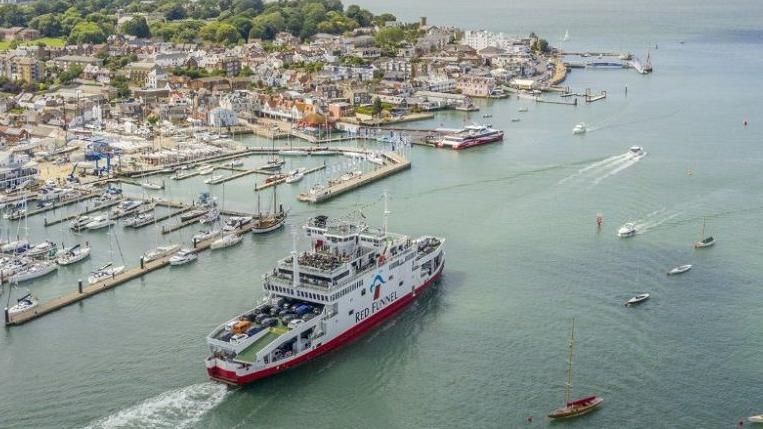
Red Funnel has promised the takeover will mean investment in cross-Solent services
- Published
The takeover of Isle of Wight ferry operator Red Funnel by investment firm, Njord Partners has been completed following approval by the government.
What will the deal mean for passengers on cross-Solent ferries?
Red Funnel said the the takeover had reduced the company's debt by more than 75%, allowing it to increase investment in its services.
Chief executive Fran Collins has been outlining the planned changes for the operator which has faced criticism over high prices and unreliable crossings.

Red Funnel chief executive Fran Collins said new vessels could be at sea as early as 2029
Will reliability improve?
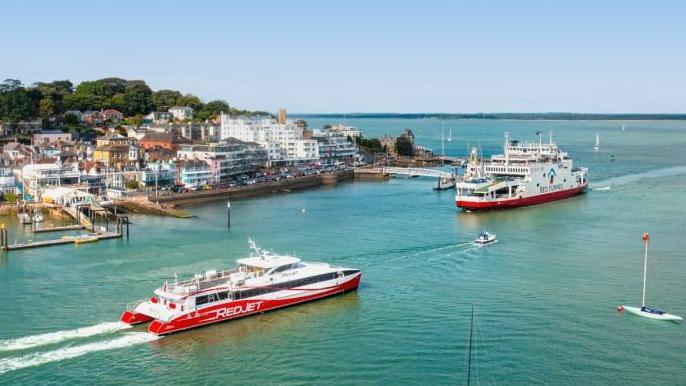
Red Funnel has been criticised after a spate of cancelled crossings between Southampton and Cowes and East Cowes following technical breakdowns and staffing issues.
Ms Collins admitted reliability "wasn't good enough" in recent years.
"We've made significant improvements and investments over the last few months, particularly in our infrastructure.
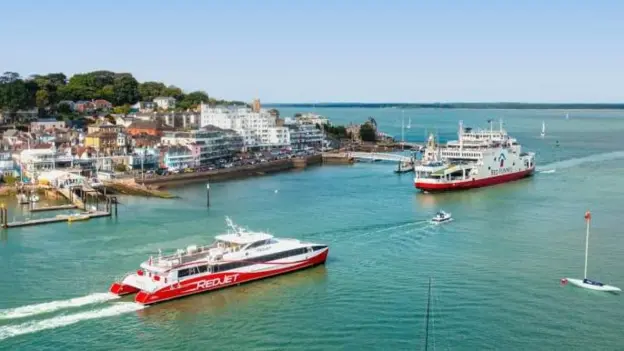
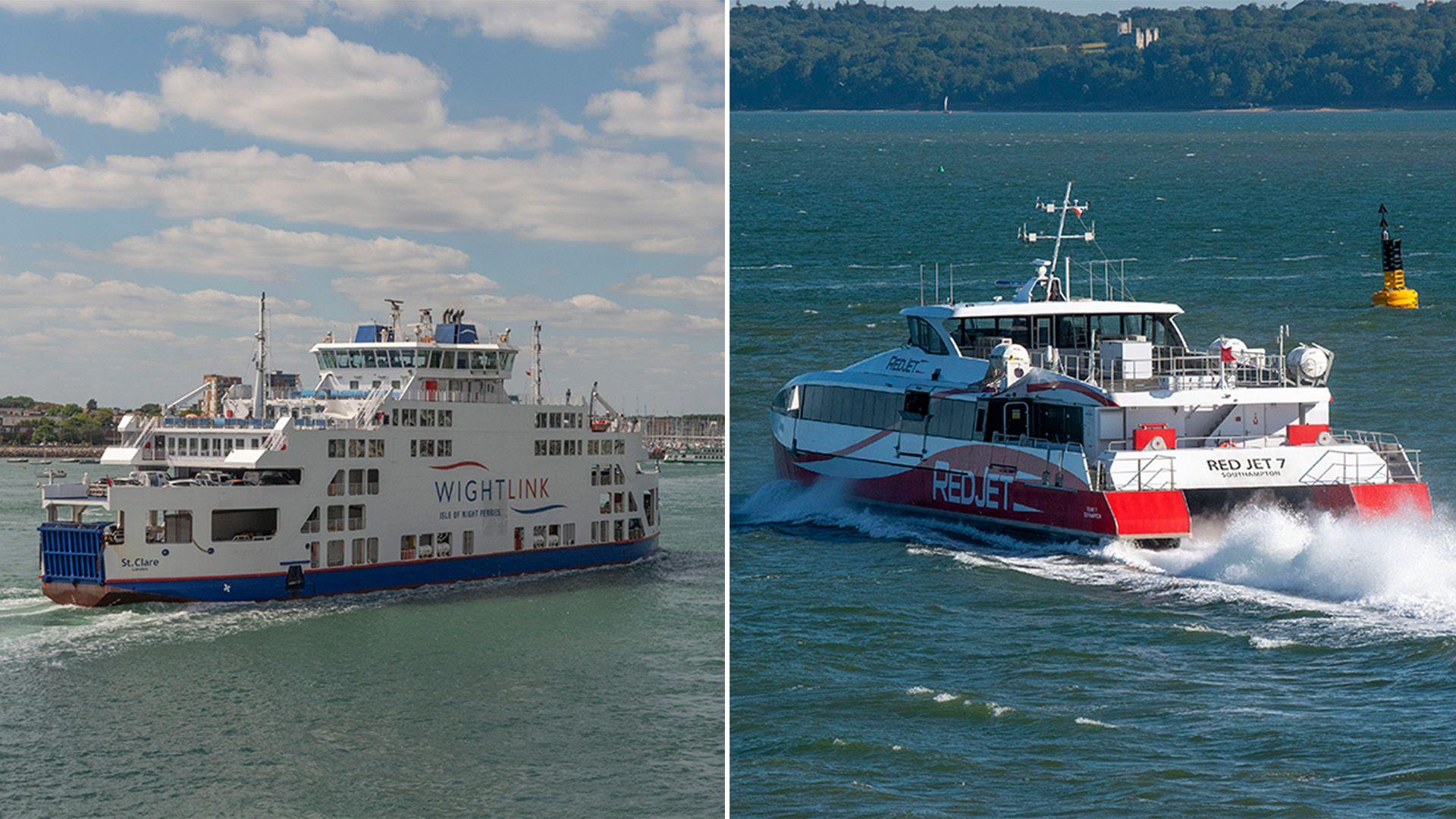
"Our reliability has increased - up now for the vehicle ferries, and the RedJet service has been running at 99% reliability over the last three months.
"So our customers can see a continuation of that."
She said the deal with Njord Partners would see investment in technology and infrastructure.
Will ticket prices come down?
Ms Collins said there had been "a lot of noise" about ferry fares but admitted pricing structure needed to be "clearer".
She promised a "modernisation of our digital journey".
"There have been up to 100 opportunities to be able to sail on pretty much any sailing with ticket pricing starting at less than £25 for a single leg and for foot passengers prices at £6.
"I think what we are seeing is that our ticketing is probably complicated, it doesn't always make logical sense to our customers.
"We always say if you book early you get the best deals and that's the truth but by the same token, we offer probably so many ticketing options that sometimes it gets lost in the noise."
Will there be new vessels?
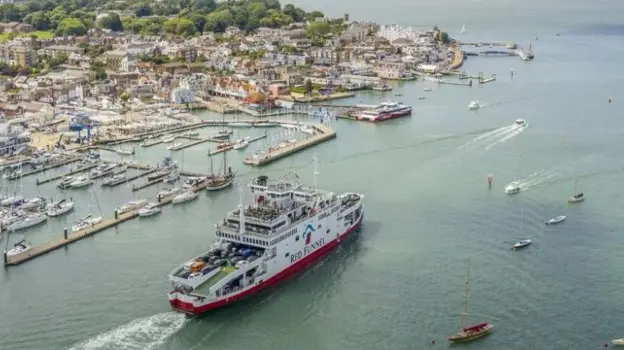
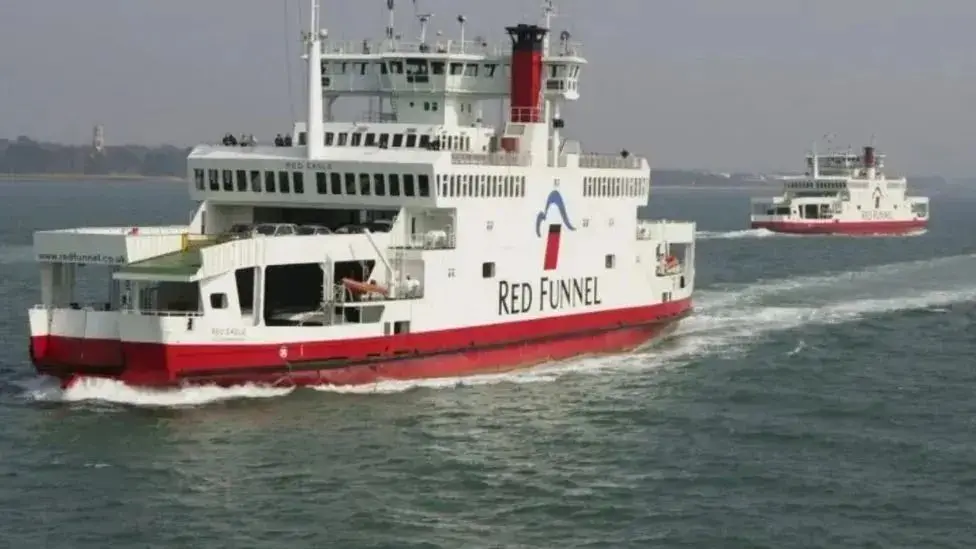
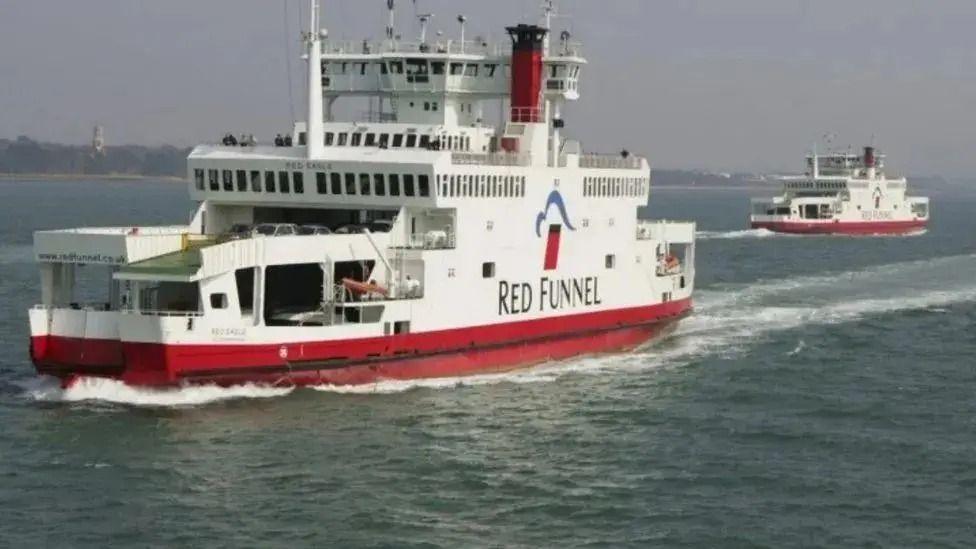
Plans were drawn up to replace the operator's 30-year-old vehicle ferries two years ago.
"We're actually ready to take that to a shipyard and go to tender.
"However, as you would imagine, with new owners now, we want to review that design to make sure it's still suitable," said Ms Collins.
"As an operator at the moment is that we would very much like to build these ferries to be fully electric but ... we don't have that electricity capability in the the south at the moment so we are likely to be looking more at diesel electric hybrid," she added.
She said new ferries could be operational as early as 2029.
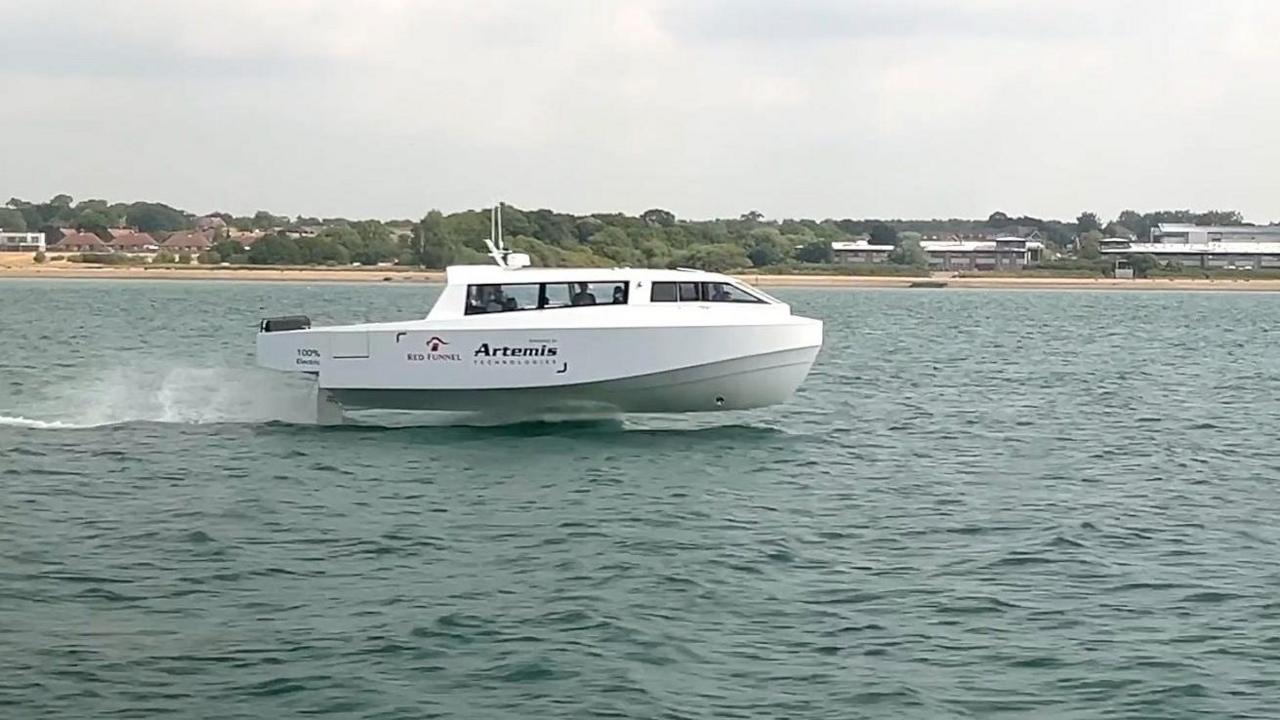
There are no plans to replace any of the existing RedJet passenger vessels, although a new electric vessel being developed by Artemis Technologies is due to begin a three-year trial in summer 2026.
Will the capacity increase?
Ms Collins described demand for crossings as "incredibly variable".
"We operate with an average occupancy across the year of around 47%, which you can imagine no airline would ever do. But of course, on the busy days, the summer holidays, festival, those vessels are full."
She said the planned new vessels would be slightly smaller - down from about 200 cars and 900 passengers on the current vessels, to 150 cars and 600 passengers.
"The capacity that is available will still be the equivalent to what we currently have because the vessels will be making faster crossings," she added.
'They've had years to improve'

Isle of Wight East MP Joe Robertson introduced a private members bill to regulate ferry transport
Isle of Wight East MP Joe Robertson who had previously criticised "rip-off prices" for ferry travel to and from the island, recently introduced the Ferry Services (Integration and Regulation) Bill in the House of Commons.
He dismissed claims that the takeover was a "new chapter" for ferry travel to and from the island.
"It's just one private equity group trading the company with another private equity group.
"And what history has shown us, services will continue to be unreliable and timetables will be continue to be thinner than they were just a decade ago.
"They've had years to improve services and timetables, and in that time they've got worse.
"The only thing that's going to make a difference now is for government to intervene and step in and play a role in deciding setting of fares and setting of service qualities - just like they do for public transport all over the rest of the country."
Get in touch
Do you have a story BBC Hampshire & Isle of Wight should cover?
You can follow BBC Hampshire & Isle of Wight on Facebook, external, X, external, or Instagram, external.
Related topics
- Published5 days ago

- Published29 September
- Published16 January
- Published23 May
- Published24 July
- Published22 hours ago