Lasting legacy for murdered Victorian teenage girl

Lucy Sands was just 16 years old when she was murdered in 1881
- Published
A memorial tree is being planted on an estate where a murdered teenage girl was found 144 years ago.
Lucy Sands went missing on her way to meet friends in Workington, Cumbria, in 1881. The 16-year-old's body was discovered under a pile of cobbles, three months later.
Her murder attracted worldwide attention but memorials, including a tree planted where she was found and a gravestone, have vanished over the years.
Councillor Michael Heaslip, said he hoped the tree planted in Northside by Workington Town Council, would ensure the teenager would be remembered "for years to come".
The Rowan tree is being planted on the anniversary of Lucy's disappearance.
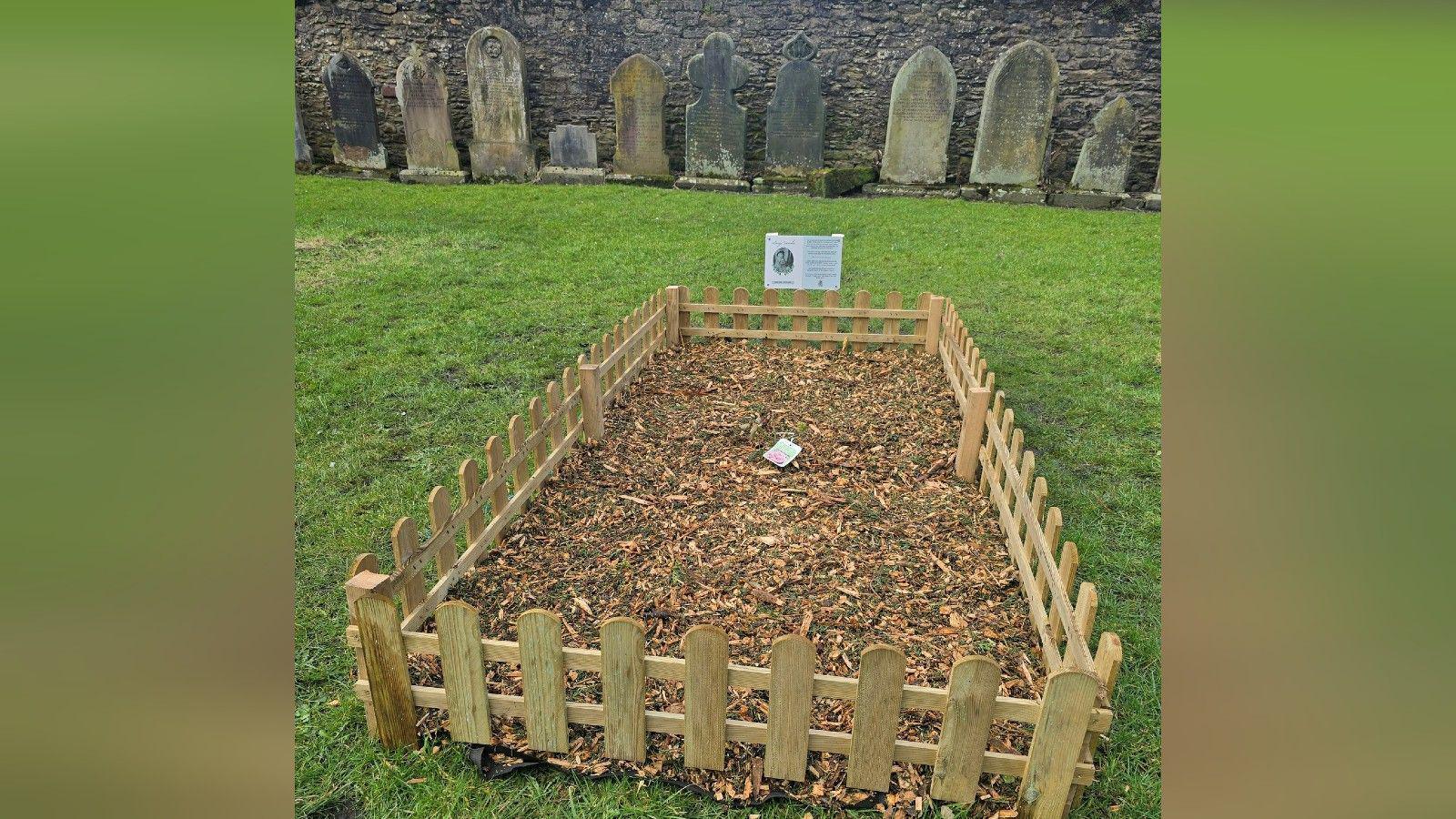
It is the second memorial to be erected in Workington this year after a plaque and rose bush were installed in February in the grounds of St John's Church, where she was buried.
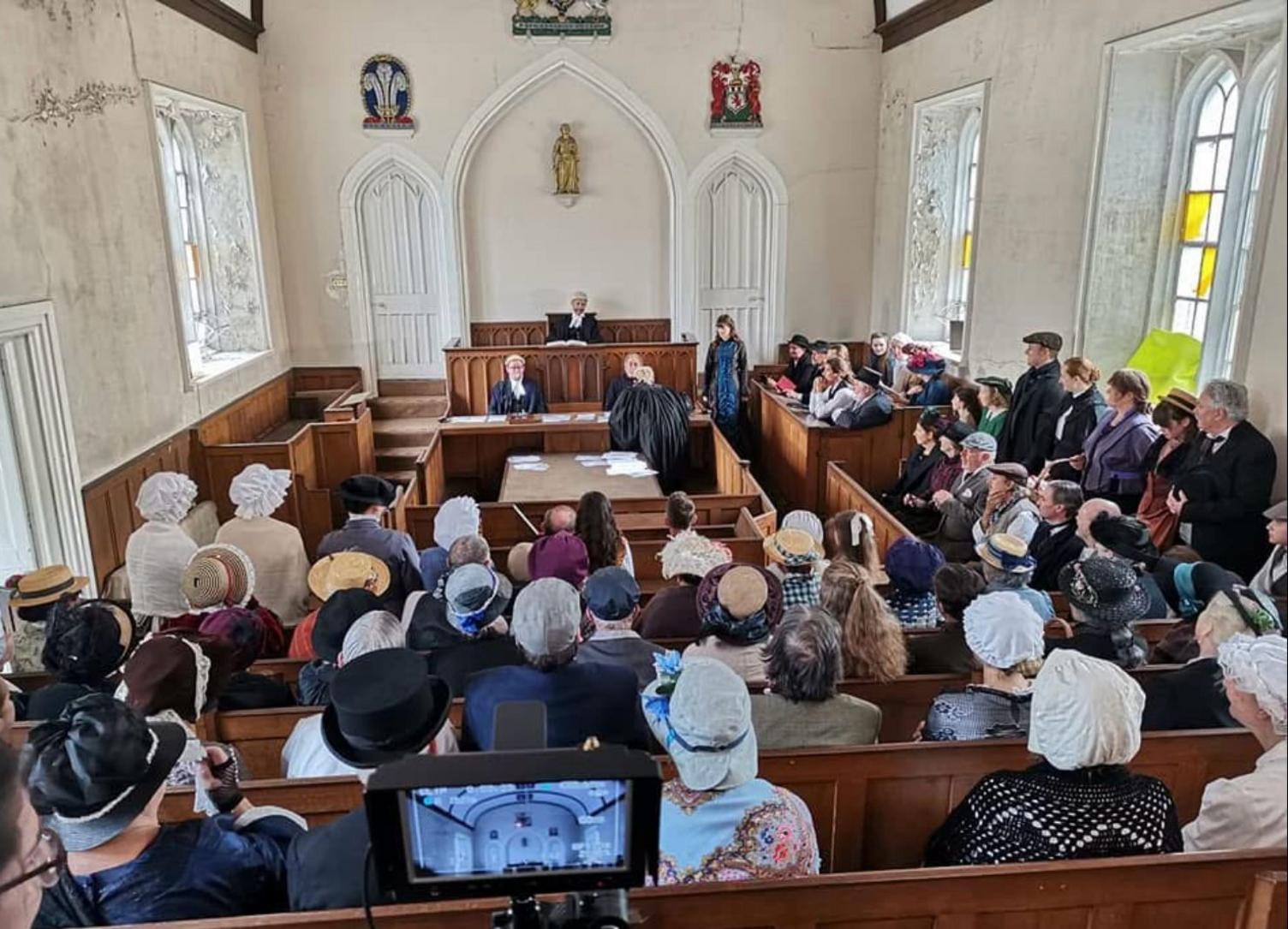
Stephen Baldwin, who made a seven-part TV series which he said solved her unexplained murder, believes it is a crime that "shouldn't be forgotten".

The tree is being planted in Northside by Workington Town Council
Lucy was born in Antrim, Northern Ireland, in 1865 and when her parents died she and her brother James were sent to live with their grandmother on Christian Street in Workington.
Her murder was considered one of the worst crimes in Victorian Britain, Mr Baldwin said.
"The grimness of it all hit every part of the British Empire," he said.
"The enigma of her death carried on for many years."

Lucy Sands' body was found three months after she disappeared
He said the original tree was planted in 1883 at Northside where she was found at the side of a railway near a sleeper fence which backed on to allotments.
He said people he had interviewed during his research said the previous tree provoked "warnings" about the teenager.
"There was a rope on the tree and parents would warn their children not to swing out too far because Lucy will come and get you," Mr Baldwin said.
"I don't think they meant anything derogatory towards Lucy because of course she was a victim of a horrible crime.
"I think it was more to do with the fact that Victorians are incredibly superstitious, about death and the restless souls of anybody."
Follow BBC Cumbria on X, external, Facebook, external, Nextdoor and Instagram, external.
Get in touch
Do you have a story suggestion for BBC Cumbria?
Related topics
- Published9 March
- Published27 February