Pub warns rising rates threaten survival

Amy Bennett runs The Seven Stars in Falmouth
- Published
The owner of a pub in Cornwall has said her costs will rise by thousands of pounds after changes announced in the Budget.
Amy Bennett said she was "terrified" she was going to lose The Seven Stars in Falmouth, which has been in her family for seven generations, after learning how much her rateable value could increase in April.
A firm's rateable value is based on how much it would cost to rent a firm's property for a year, and is used to calculate a business's rates bill.
A HM Treasury spokesperson said the government was "protecting pubs, restaurants and cafés with the Budget's £4.3 billion support package".
Rachel Reeves promised lower taxes for retail, leisure and hospitality firms in last week's Budget, however changes to the way rateable values are calculated from next spring mean many pubs face a price hike.
Ms Bennett said: "I was shocked to see that my rateable value has doubled or will double in April.
"I'm working the hardest we possibly can but if they're not going to listen then I don't know how much longer we can go on."

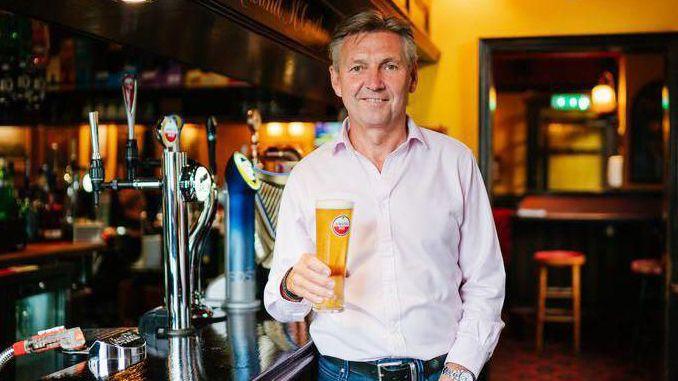
Kevin Georgel is St Austell Brewery's chief executive
In an open letter to the government St Austell Brewery's chief executive, Kevin Georgel, said the claim business rates were going down was "misleading to people across the country."
"Business rates are not going down," he said.
"A small cut to the multiplier hides the truth - rateable values are rising sharply and justified reliefs are being scrapped.
"From April 2026, hardworking publicans will face average business-rate hikes of 76%, phased over three years, this is equivalent to an extra £13,000 per annum in additional tax."

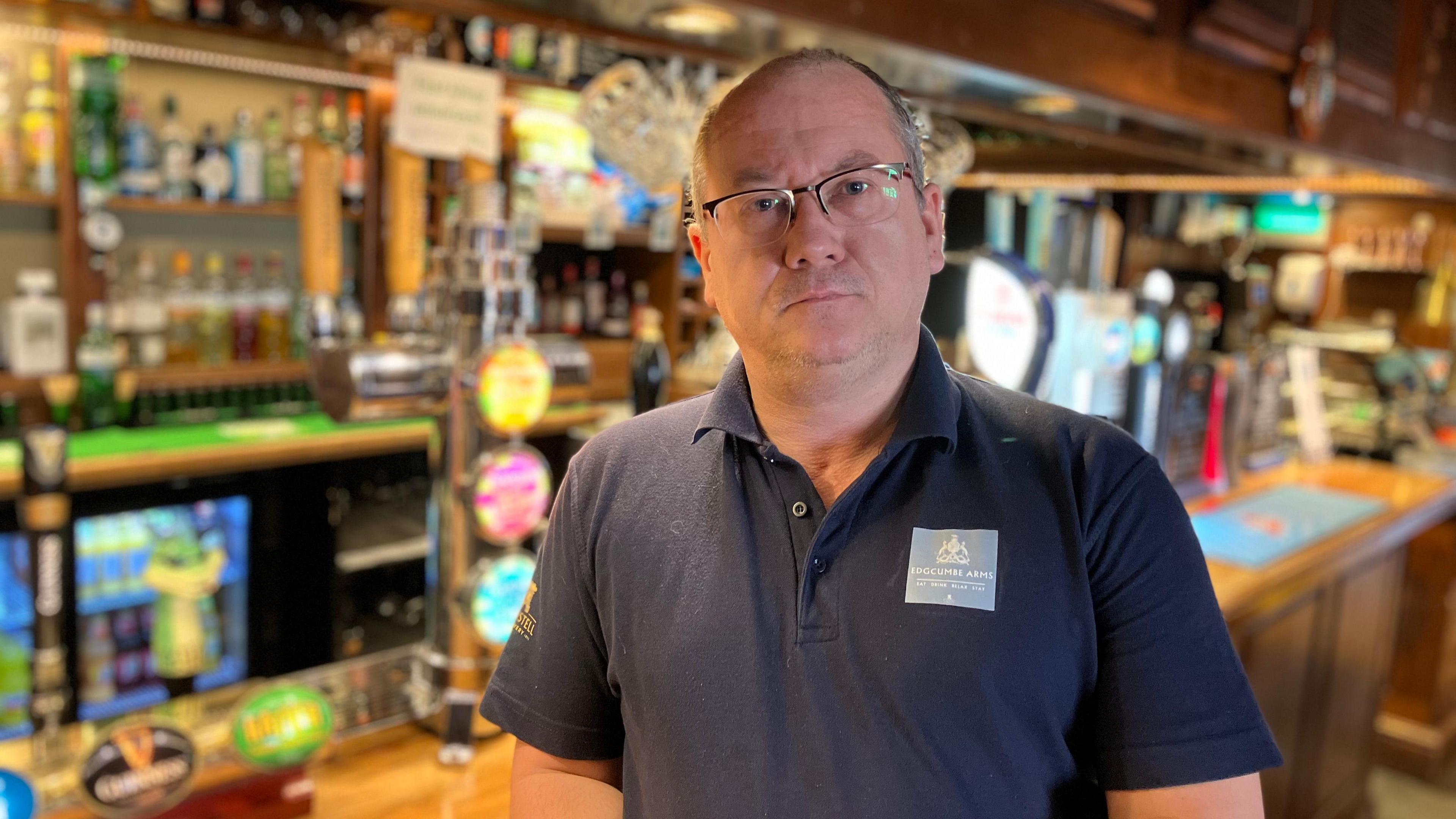
Dan Cocks, who runs the Edgcumbe Arms at Cremyll, Cornwall said the situation was worrying
Dan Cocks, who runs the Edgcumbe Arms at Cremyll, Cornwall said the situation was "really worrying".
"We've got the wage increase next year which is the bit we want to do," he said.
"That presents challenges because if we've got staff on higher pay, realistically they need to have a rise as well.
"The big worry for us in the industry is that we're already at the limit, customers are saying to us already 'we're supporting you the best we can but honestly if you stick another 20p on a pint, a couple of quid on fish and chips we just can't afford it anymore."
Keren Cooksey, Falmouth BID manager, said: "For very small businesses, this isn't absorbable - it's existential.
"We're talking about responsible, established businesses suddenly being asked to find an extra £400, £800 or even £2,000 a month in fixed overheads.
"That squeezes margins, pushes prices up, cuts jobs and in some cases risks closure, this isn't just a retail issue - it's an economic one."
The government said it would calculate business rates for 750,000 high street retail and hospitality firms using a lower percentage of the rateable value of premises, but the lower tax rate was not as generous as expected.
At the same time, many firms have seen their rateable value increase and face the phasing out of a Covid-era 40% discount from April.
The net result is, despite some transitional relief, lots of them will see significant increases in their business rates bill.
UK Hospitality estimates an average pub would pay £12,900 more over those three years, while an average hotel would pay £205,200 more.
A HM Treasury spokesperson said: "We're protecting pubs, restaurants and cafés with the Budget's £4.3 billion support package - capping bill rises so a typical independent pub will pay around £4,800 less next year than they otherwise would have.
"This comes on top of cutting licensing costs to help more venues offer pavement drinks and al fresco dining, maintaining our cut to alcohol duty on draught pints, and capping Corporation Tax."
Follow BBC Cornwall on X, external, Facebook, external and Instagram, external. Send your story ideas to spotlight@bbc.co.uk, external.
Related topics
- Published28 October 2024
- Published3 days ago