HIV testing in A&E 'quite literally saving lives'

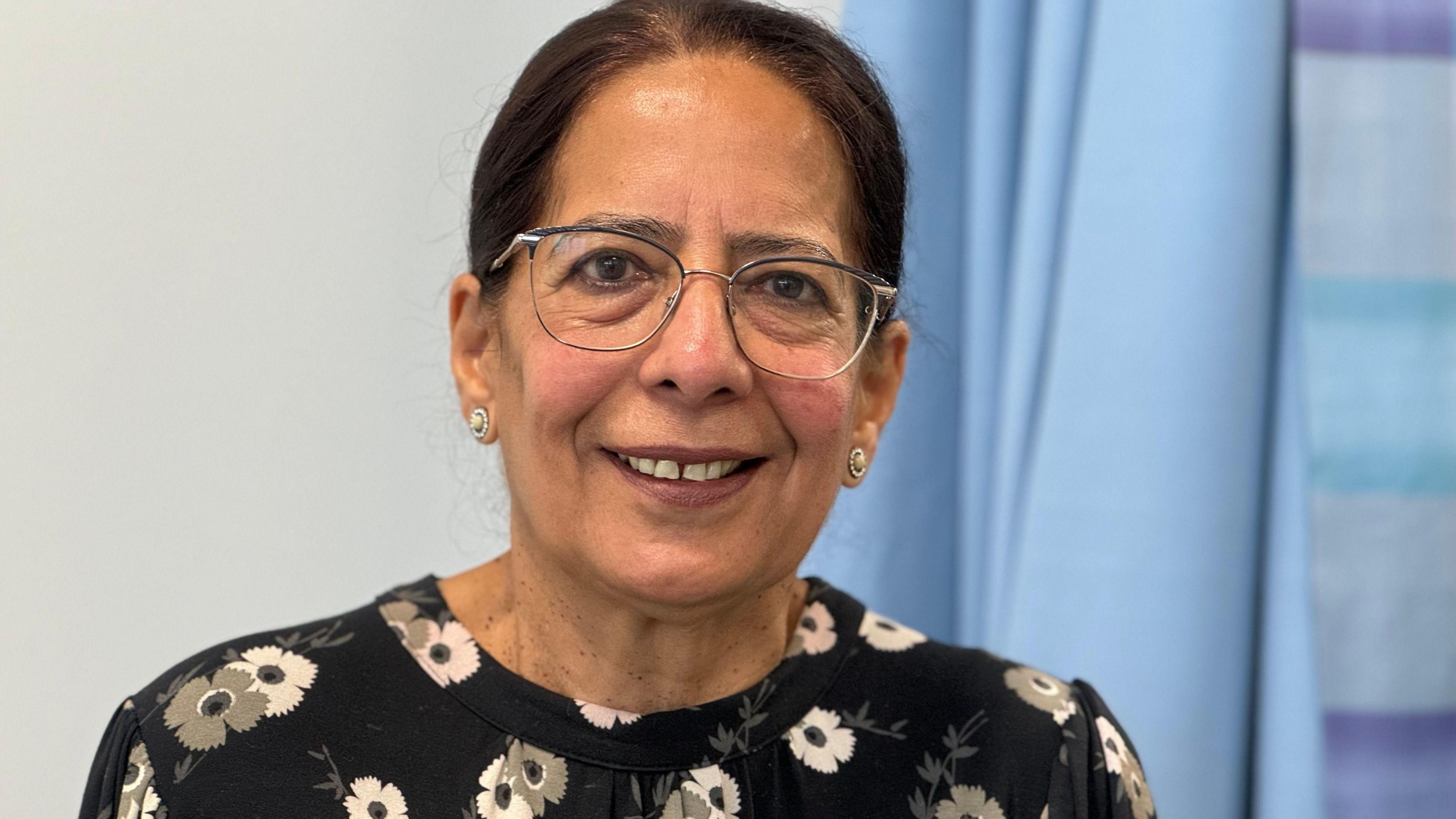
"We are quite literally saving lives," said Steve Taylor
- Published
Hundreds of people have been diagnosed with either HIV or hepatitis B since A&E departments across the Midlands started routine testing - a process said to be "quite literally saving lives".
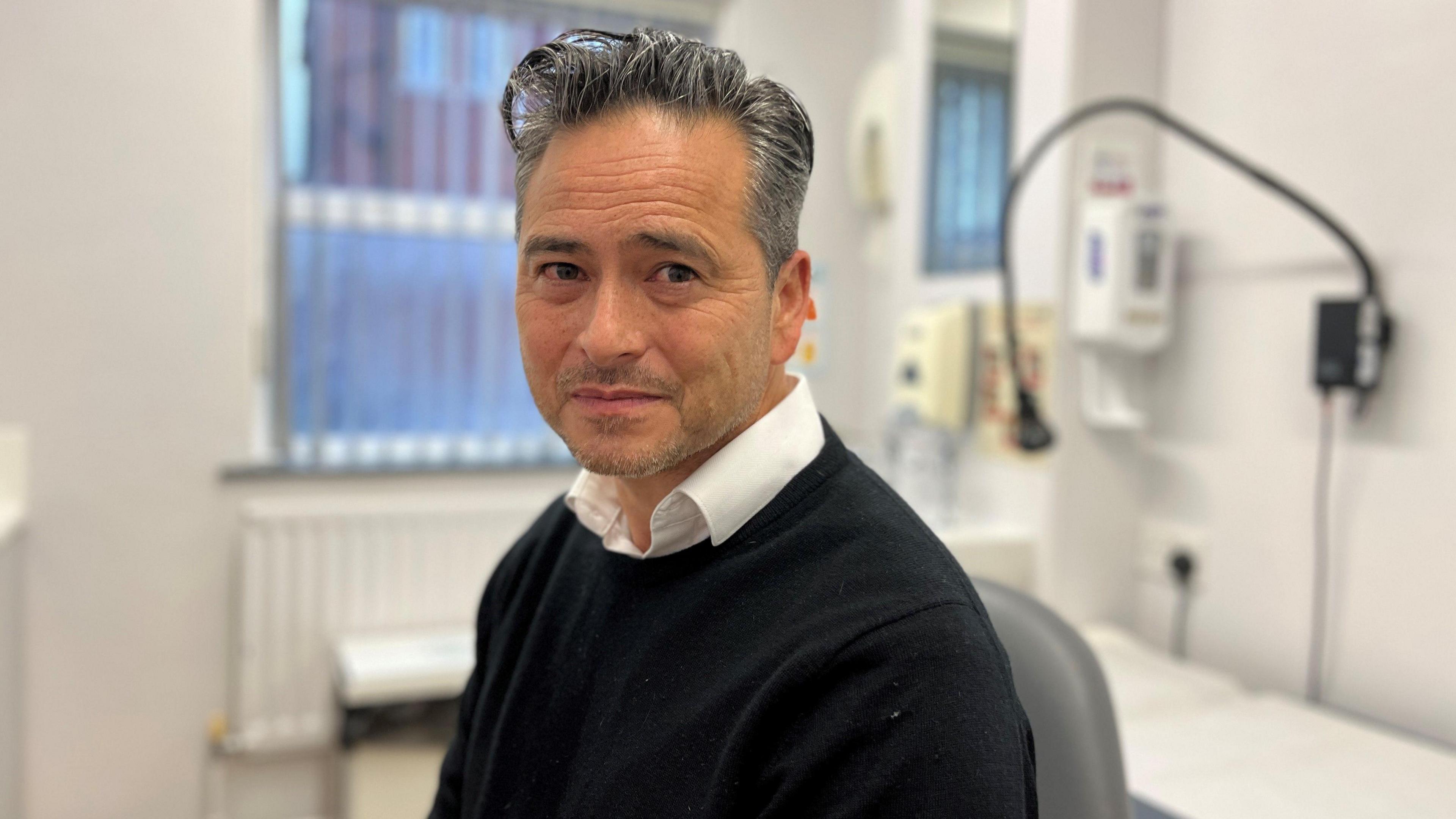
The assessment came from Steve Taylor, clinical service and research lead at Birmingham Heartlands HIV Service, who said 102 people had been found to have HIV, external, and 716 hepatitis B or C., external
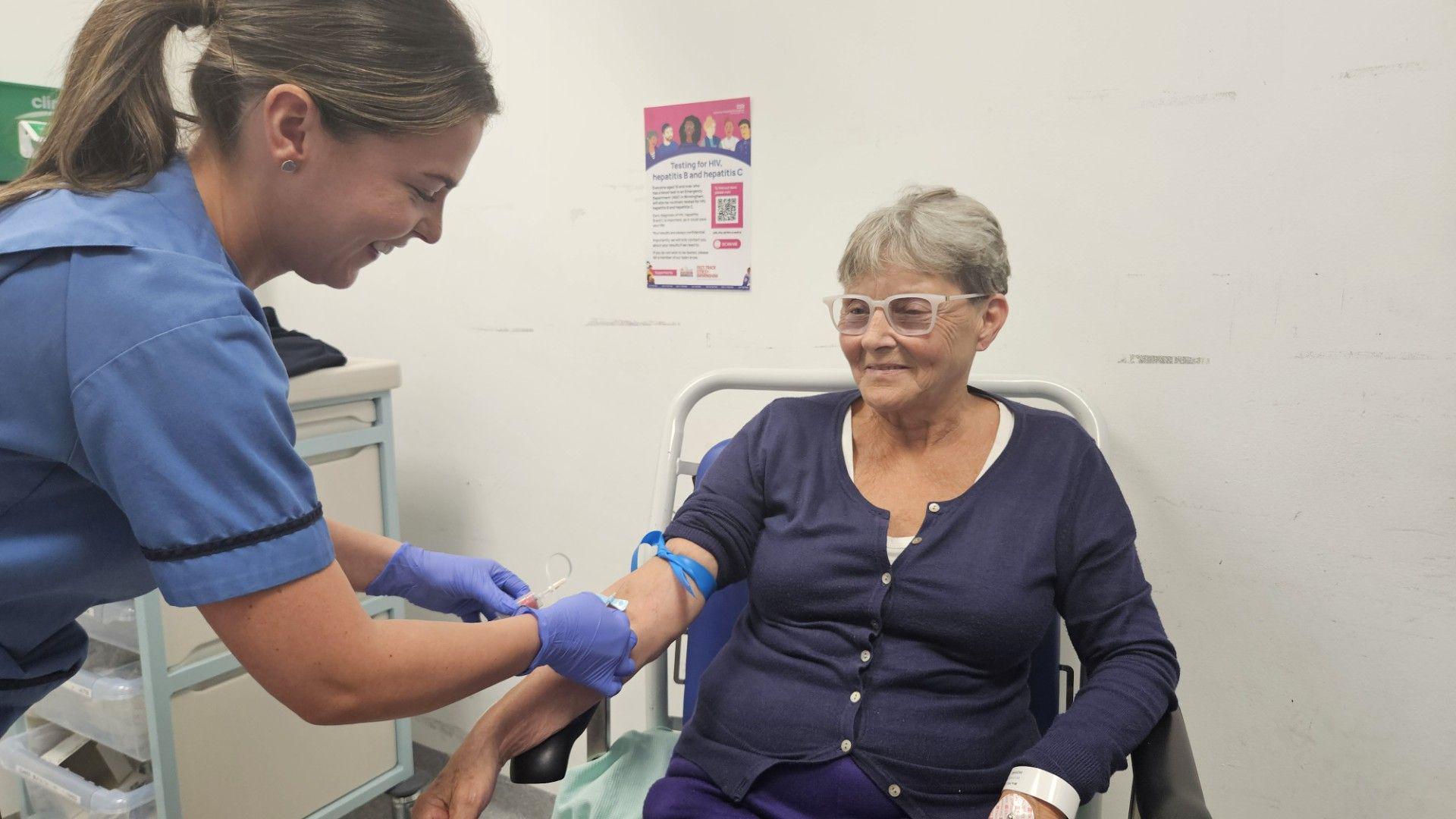
Under the scheme, anyone aged 16 or over who needed a blood test in A&E at participating sites was automatically tested for HIV, unless they explicitly opted out.
"We have found so many people who would never have been diagnosed if we had not been doing this," Mr Taylor said.
The opt-out testing - launched at various times within the last 12 months - took place in hospitals in Birmingham, Walsall, Wolverhampton, Sandwell, Coventry, Burton upon Trent, Derby, Leicester and Nottingham.
HIV and hepatitis B cannot be cured but can be managed once diagnosed. Hepatitis C is curable.

The Saving Lives charity said testing was the key to bringing down HIV transmission rates
A&E blood testing also identified 43 people who were previously diagnosed with HIV, but were not receiving treatment, and 205 people with hepatitis B and C who were not receiving care.
The aim of opt-out testing in A&E departments is to identify blood-borne viruses in people who otherwise would not come forward for a test.
In England, more than half of heterosexual men and women diagnosed with HIV between 2022 and 2024 were diagnosed late, meaning their immune system could already have been damaged, and they could have passed the virus on without knowing.
Dan Hartland, CEO of the charity Saving Lives, said: "Today, people living with HIV who are on treatment can enjoy a normal life expectancy, live full lives and will not pass on the virus to their partners. Testing remains the only way to know your status and access this transformational therapy - we should all be taking a test."
To mark World AIDS Day, the government announced £170m for its HIV Action Plan, which includes continued funding for testing in A&E departments.
Health and Social Care Secretary Wes Streeting said: "Thanks to the work of determined campaigners across our country, ending new HIV transmissions by 2030 - a history-making, world-changing goal - is within reach. This government will now put its shoulder to the wheel to deliver this change."
Get in touch
Tell us which stories we should cover in Birmingham and the Black Country
Follow BBC Birmingham on BBC Sounds, Facebook, external, X, external and Instagram, external.
Related stories
- Published1 December 2023
- Published5 September 2024
- Published15 February
- Published18 March