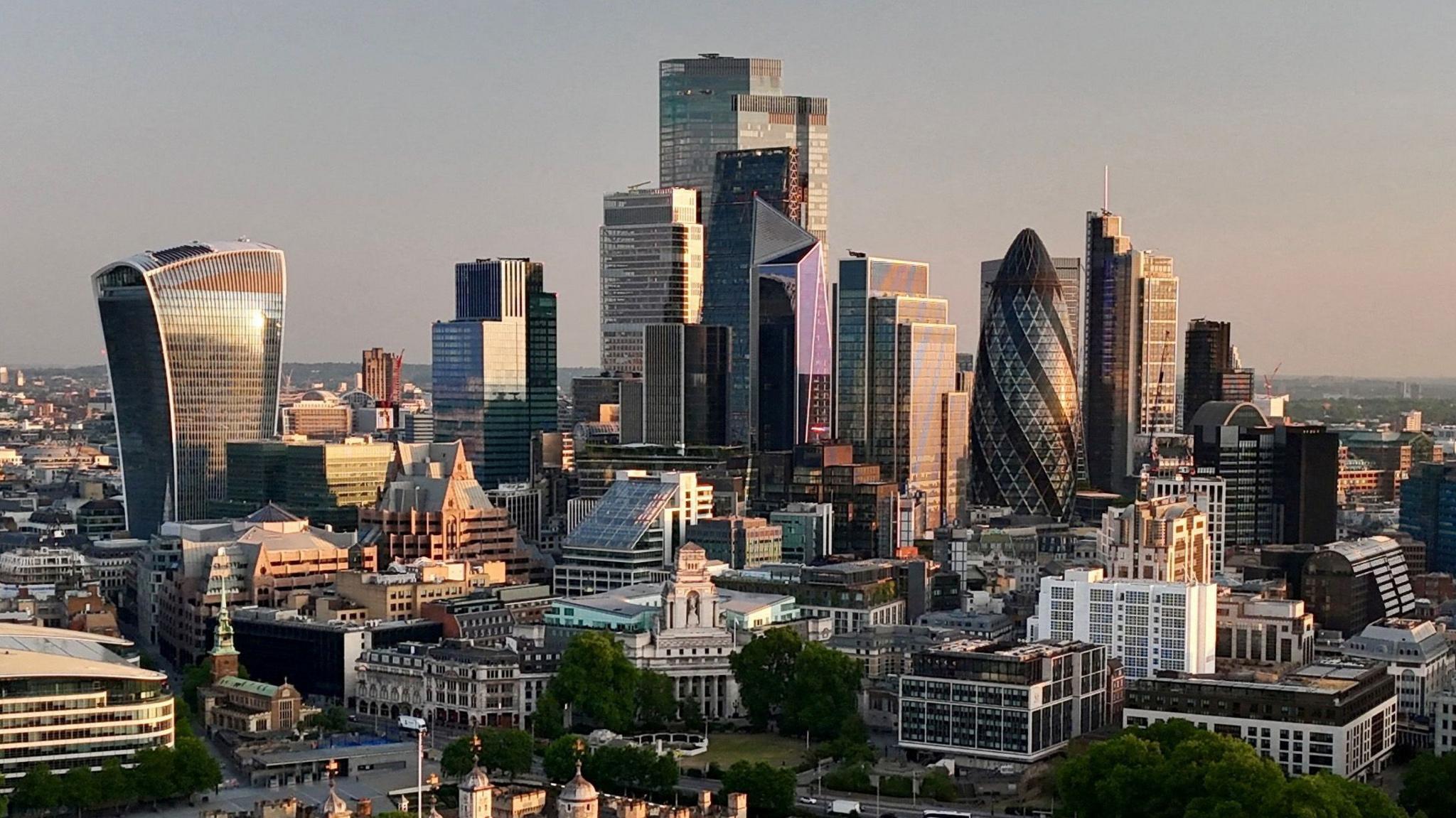
What do businesses want from a balancing act Budget?

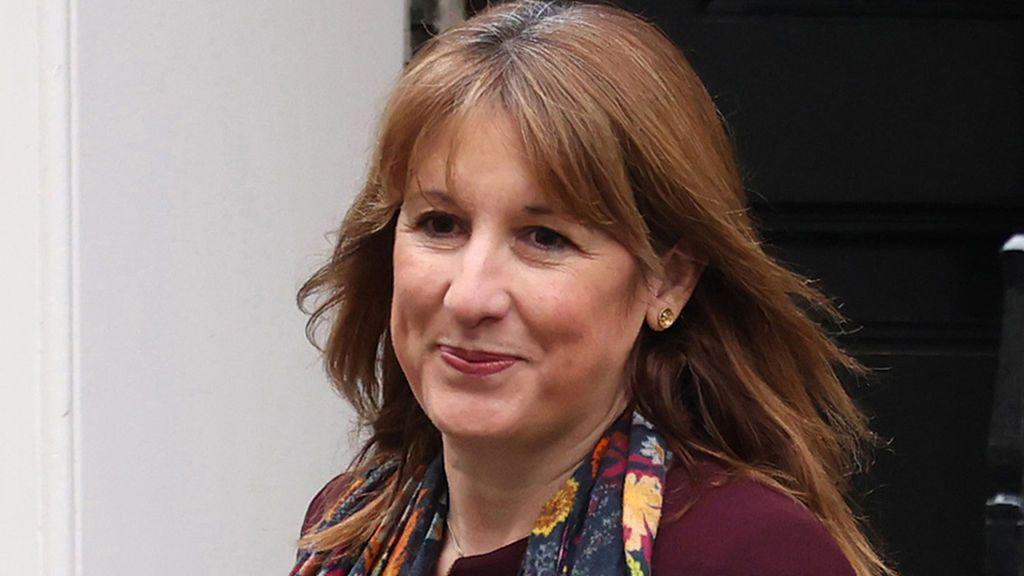
Chancellor Rachel Reeves needs business growth to generate some feelgood factor
- Published
Businesses don't vote. People do. So firms tend to get squeezed amid the political maelstrom of budgeting.
This year is different, however, and largely because of last year. The tax raid on employers through National Insurance, allied to a big rise in the minimum wage, pushed up their costs.
They absorbed some of that cost, hitting profit and investment. They passed it on in customer prices, increasing inflation. And that is thought to have subdued growth to the point that there's hardly any in the system.
But Rachel Reeves badly needs inflation down, and she needs growth to generate some feelgood factor, as well as a new source of tax. It's one of many difficult balancing acts required in the chancellor's second budget.
So what do businesses look for?
1. First, do no harm

Training is a key concern for businesses
As with the oath taken by medical doctors, "first, do no harm", businesses hope Rachel Reeves doesn't interfere too much, providing incentives to invest, recruit and train, but going easy on tax and regulation.
2. Cheer us up

Consumer spending happens when people are confident about the economy
Investment and consumer spending have a lot to do with confidence, and that commodity is not abundant.
To look at consumer sentiment, consider the Economy Tracker published this week by the David Hume Institute. Carried out by Diffley pollster, it's showing seven in 10 Scots (73%) expect the economy to worsen in the next 12 months, and nearly half (47%) anticipate their personal finances will do likewise.
The findings show around half of people questioned (2,245 of them, at the start of this month) have cut back on leisure, non-essential spending, heating or a combination of these.
Just one in four expect pay to keep pace with consumer prices and seven in 10 don't expect more jobs to become available in the next year.
They may be realistic, but those signals are picked up by businesses asking if this is the time to invest. Many conclude it's not.
3. Tackle costs

The cost of living crisis is high on people's minds
From energy bills for big industry to labour and regulation costs for small ones, firms perceive costs as soaring ahead of the prices they can charge.
The latest index from the Scottish arm of the Federation of Small Businesses (FSB) found 29% of those responding expect to contract in the next 12 months, compared to just 6% expecting to grow.
In the third quarter of this year, the regular survey found 57% were reporting a drop in profits. Subtracting those who expect revenue to fall from the number forecasting a rise gave a net balance of -43%.
The Scottish Tourism Alliance got 70 members to respond to a survey mid-November, which exposed a nasty set of pressures. Rising operating costs and tax are the biggest threats to profits, and there's a fear that the threshold above which you pay VAT could be lowered.
Despite some strong numbers for visitors to Scotland in the past three years, customers are spending less.
Yet most tourism firms in this survey expected to put up prices. Nearly half have stalled or cancelled investment. Merely one in twelve expect stability, and there's a lot of negativity about policy from both Westminster and Holyrood governments.
4. Refill the oil tank

The il and gas sector remains key to the Scottish economy
In past Budgets, oil and gas tax take has been the most volatile element of revenue, and changes to that tax have been even more complex than usual. The sector has rarely been central to the chancellor's thinking, but a useful, quirky source of funds.
This time is different. Rachel Reeves put up the Tories' windfall tax to 78% of profit generated in the UK and put the brakes on new licences to drill.
Since then, the sector reports that its decline has accelerated. The clamour to clobber super-profits in the sector has turned into calls to treat it with sensitivity.
Trade body Offshore Energies UK has run a fierce and persistent lobbying operation, which asks one big question of government: if we're going to use oil and gas in the future - and we are - why run down the UK's industry and jobs to become more dependent on imports, which carry a bigger carbon footprint?
The impact on regional economies and jobs has been highlighted by OEUK and its corporate membership and exploited in numerous different ways. Studies have been commissioned, seeking out evidence to drive home the message.
The most recent argues that a cut in the windfall tax would generate far more tax revenue, from increased offshore drilling and activity.
This Tuesday morning, coming at it from a new angle, OEUK is saying that producers have been bringing forward their plans to abandon wells. Decommissioning costs went up 21% last year, to more than £2bn for the first time.
Within only three years, it's being forecast that more will be spent on quitting North Sea fields than on developing them. That was previously expected towards the middle of next decade.
And because there's a rush to decommission, the cost of hiring the specialist teams and equipment is rising steeply.
5. Be credible

The markets will be watching closely the Chancellor's Budget
Financial markets are looking to Rachel Reeves to recover some of the credibility lost when she was forced to U-turn on cuts to winter fuel payments to pensioners and on welfare reform.
She's pushing at the outer edges of the borrowing rules she set. If she squeezes herself into the rule for cutting debt within five years by pencilling in fierce cuts, that's unlikely to wash any more.
Market-makers can see she has been pushed around by Labour backbenchers, and could be again, so they are looking for reassurance that she is disciplined within her own rules.
The risk of rising costs of borrowing may not come from the details of the Budget, but from the political calculations that follow - of whether the prime minister and chancellor will still be in place to push through the more difficult decisions.
If those markets are reassured by the Budget that there's a credible plan that Labour ministers will stick to, they would then expect interest rates to come down next month and into next year, improving the conditions for investment.
6. Watch out - it's Holyrood next

Shona Robison will deliver her draft budget at Holyrood on 13 January
The Westminster Budget gives Shona Robison, the Scottish finance secretary, the numbers with which she's working towards a draft budget on 13 January.
Business has different asks of her, but aimed at the same set of concerns, around costs, regulation, taxation and the confidence to invest and recruit.
Business/non-domestic rates are for Holyrood to shape and set, and retailers in particular want to see major reforms.
The Scottish Retail Consortium points to one tax giveaway it expects to see confirmed this Wednesday would hand retailers south of the border reduced business rates bills.
The trade body wants Holyrood to follow that lead.
The finance sector also wants to see the income tax rate on higher earners brought closer to that set at Westminster.
Scottish Financial Enterprise thought the expected rise in Rachel Reeves' income tax rates would help close the gap, and urged Holyrood not to retain that higher rate.
That expected rise is expected no longer.
Business knows tax rises are coming, but that U-turn has undermined any certainty or predictability about where the impact will be felt, and how much it could constrain confidence, investment and growth.
- Published5 days ago
- Published22 November
- Published6 days ago