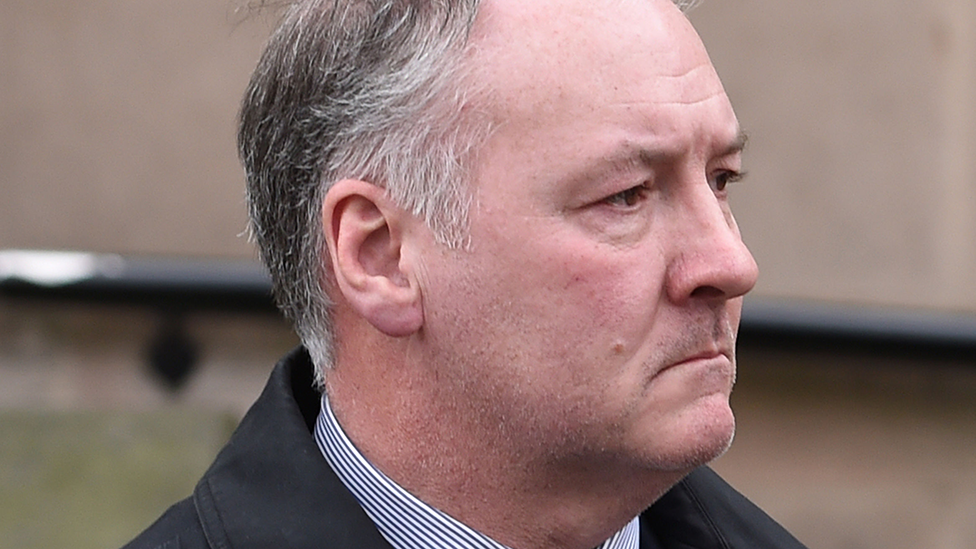
Experts differ on Paterson patient's treatment

Two medical experts have conflicting opinions as to whether Elaine Morris's death could have been prevented or her life prolonged
- Published
Medical experts have given differing opinions over whether a former patient of jailed surgeon Ian Paterson would have survived or lived longer if she received "adequate treatment".
Elaine Morris from Shirley in Solihull died aged 45 on 9 February 2002, having been diagnosed with breast cancer when she was 42.
Ms Morris had severe epilepsy, cerebral palsy, and learning difficulties with her oncologist deeming it unsafe to give her radiotherapy and inappropriate to give her chemotherapy.
Ms Morris is one of 64 of Ian Paterson's former patients whose deaths are being investigated at inquest, to see if the women died unnatural deaths as a result of their treatment.
The inquest into her death at Birmingham Coroners' Court heard on Monday that one of the purposes of the hearing was to see if it was foreseeable that Ms Morris would be unable to have radiotherapy or chemotherapy and whether Paterson's decision to operate on her was right.
Prof David Dodwell, an oncologist serving as a medical expert to the coroner, previously expressed concern that Paterson performed surgery on Ms Morris when radiotherapy was never going to be an option for her.
He told the inquest in June that: "He's an experienced breast surgeon, he knows full well radiotherapy would be required."
In a written submission from Prof Dodwell read out to the court on Monday, he responded to a question from the coroner, asking if Ms Morris had received adequate treatment, would her death have been avoided or her life prolonged, to which Prof Dodwell agreed.
However, Prof Pat Price, another oncologist acting as a medical expert to the coroner, was asked the question at Monday's hearing and said she did not believe it could have avoided Ms Morris's death or prolonged her life.

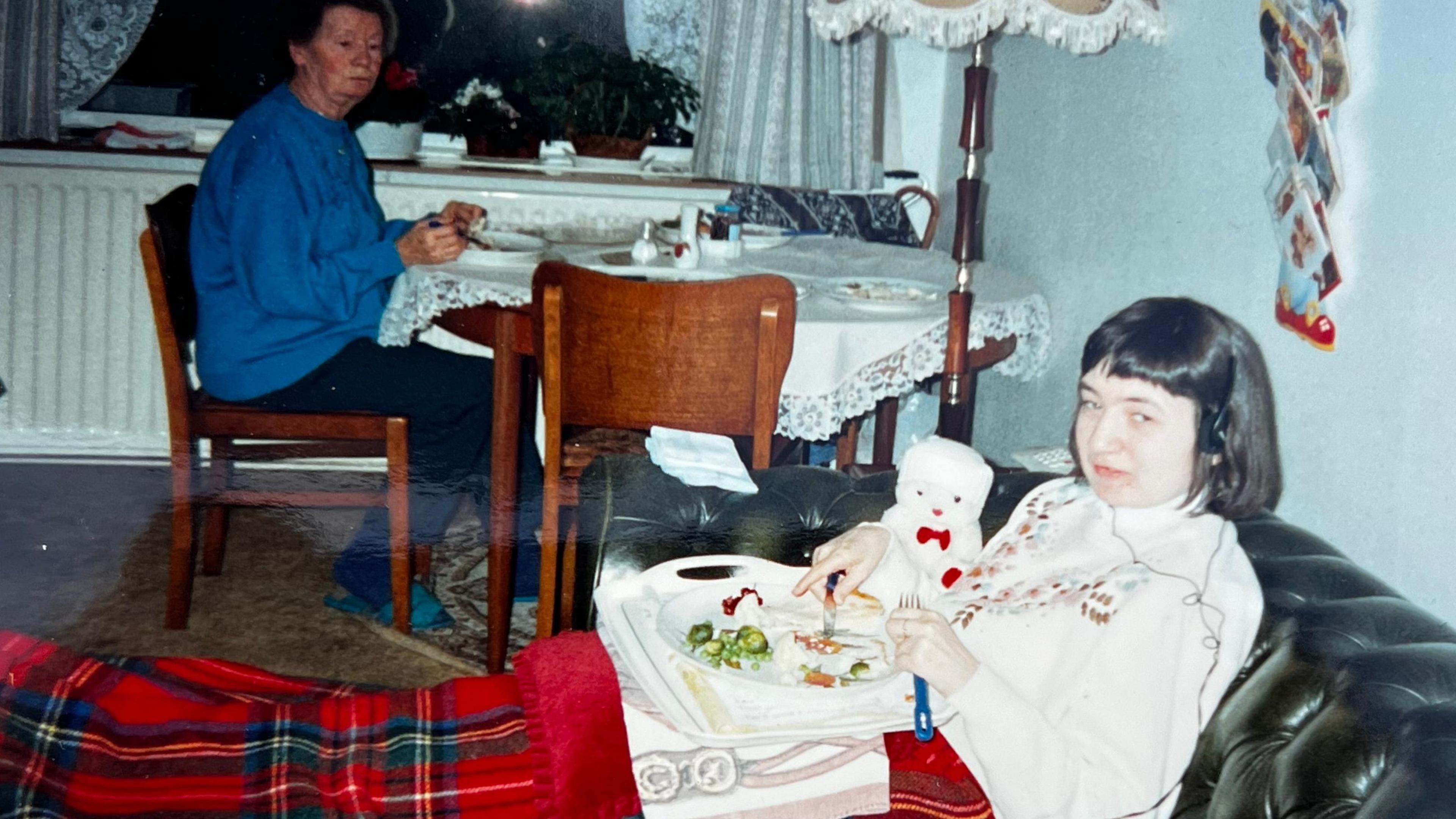
Elaine Morris, pictured with her mother, was unable to have chemotherapy or radiotherapy due to other conditions
Another question being investigated at the inquest is as to whether Ms Morris should have had a mastectomy earlier than November 2000, as opposed to the wide local excision Paterson performed on her, and whether this could have improved her prospects.
In a written report previously submitted to the inquest, Prof Price said: "In my opinion earlier mastectomy would not have altered the natural history of the disease and did not contribute to Ms Morris's demise, which was due to her having poor biology breast cancer and not being able to receive chemotherapy or radiotherapy due to her comorbidities."
While acting as an expert to the coroner, Prof Price is also instructed by Spire Healthcare in 11 cases involving Paterson at the company's private hospitals, of which Ms Morris was a patient.

Ian Paterson is set to be released from prison in May 2027 - before the conclusion of the inquests into 64 of his patients' deaths
Paterson was sentenced to 20 years in prison in 2017, after being convicted of wounding patients with botched and unnecessary operations.
He is due to be automatically released half-way through his sentence in May 2027, meaning he should be released before the conclusion of the inquests into his patients' deaths.
The majority of his patients lived in Birmingham, Warwickshire or Staffordshire.
'Complex needs'
A statement from Elaine Morris's cousin, Ann Harper, was also read out to the court.
Mrs Harper was only made aware of the inquests after seeing a BBC appeal on Midlands Today to track down next of kin for five of Paterson's former patients whose deaths were being investigated.
In her statement, Mrs Harper said that it was believed Ms Morris had a mental age of about 10 to 12 years old and had epilepsy since a young age.
She also said she was unable to walk assisted and had several seizures a day, which left her exhausted.
"Due to Elaine's brain injury she was unable to make decisions for herself," Mrs Harper said.
"She lacked capacity to make decisions on both health and financial matters, her mum and dad made these decisions for her.
"Elaine was their whole life, unable to travel far so they did not have holidays or visit, instead relying on friends and family to visit them."

"Elaine loved seeing people and had a fantastic, sometimes sarcastic sense of humour, particularly with her mum," Mrs Harper said
Ms Morris had lived at home with her parents, Jean and Eric, until Eric died about four or five years before Ms Morris's death.
Speaking of Ms Morris's mother, Ms Harper said: "She would have endeavoured to ensure Elaine would have had only the very best care and treatment available.
"I truly believe it would have been the ability to pay for private treatment of Elaine's breast cancer that would have given her mum hope of Elaine's ability to survive the disease and make a full recovery.
"She had many plans in place for Elaine to live a fulfilling life in hopes she would outlive Jean herself."
After Ms Morris died, her mother passed away five days later, Ms Harper said the two had been "inseparable".
The inquest continues.
Get in touch
Tell us which stories we should cover in Birmingham and the Black Country
Follow BBC Birmingham on BBC Sounds, Facebook, external, X, external and Instagram, external.
Related topics
- Published19 November
- Published4 September
- Published4 June